
 sa
sa
 English
  Français
  русский
  中文简体
中文简体  Español
Alisen
Alisen
Alisen
Alisen
Alisen
Alisen
Alisen
Alisen
Alisen
Alisen
Alisen
Alisen

ال خط إنتاج الأسمدة المركبة تلعب دورًا محوريًا في الزراعة الحديثة من خلال ضمان إنتاج الأسمدة بجودة وحجم حبيبات ثابتين. لا تعمل حبيبات الأسمدة الموحدة على تحسين كفاءة امتصاص العناصر الغذائية بواسطة المحاصيل فحسب، بل تعمل أيضًا على تحسين الأداء العام للتطبيق. يعد فهم كيفية الحفاظ على تجانس الحبيبات أمرًا ضروريًا لمصنعي الأسمدة الذين يهدفون إلى تحقيق إنتاج عالي الجودة.
المكونات الرئيسية لخط إنتاج الأسمدة المركبة
مصممة بشكل جيد خط إنتاج الأسمدة المركبة يتكون عادةً من عدة مكونات أساسية، يساهم كل منها في توحيد الحبيبات:
- نظام خلط المواد الخام: يضمن مزجًا شاملاً للعناصر الغذائية لتجنب التوزيع غير المتساوي.
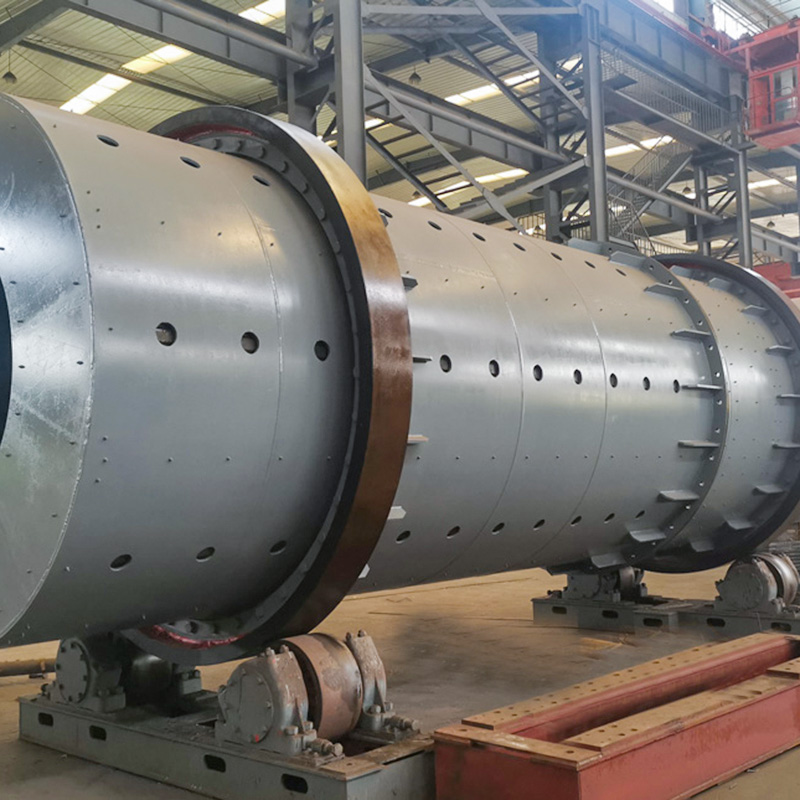
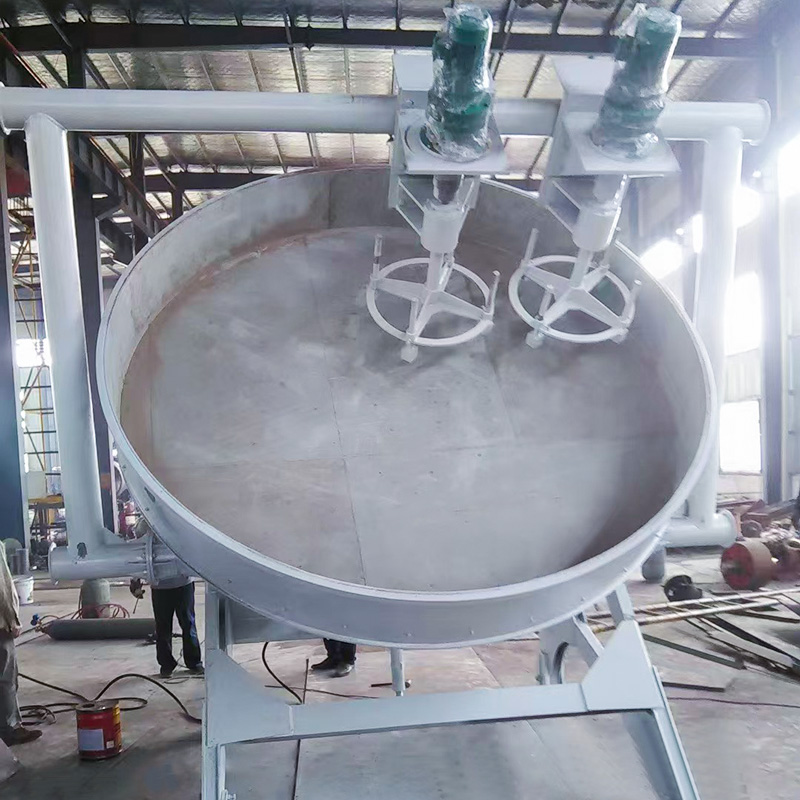
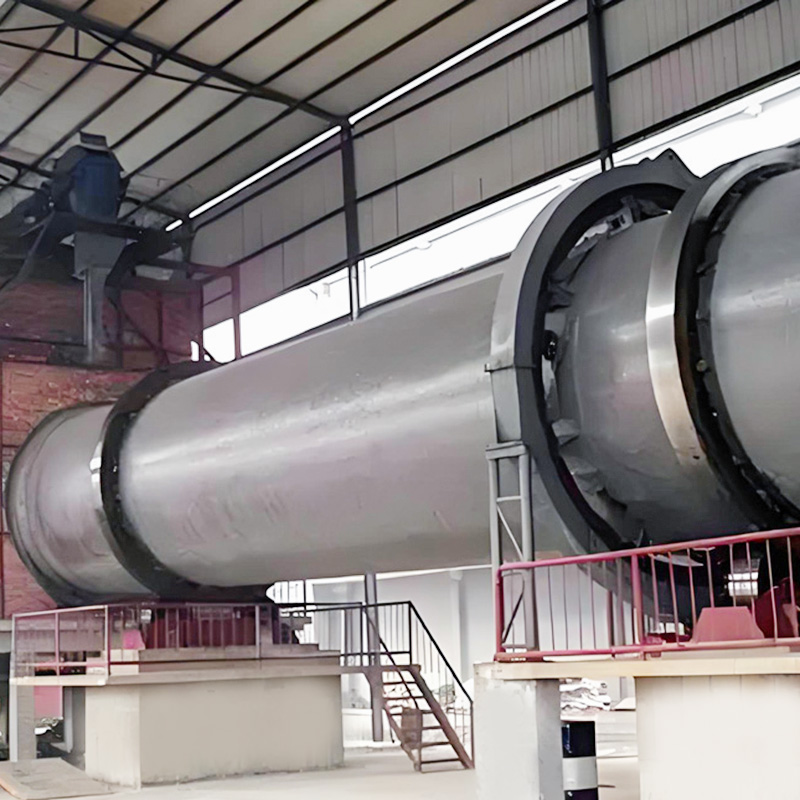
- معدات التحبيب: يحول المواد الخام المختلطة إلى حبيبات، مع كون محببات الأسطوانة الدوارة وحبيبات الأقراص هي الأكثر شيوعًا.
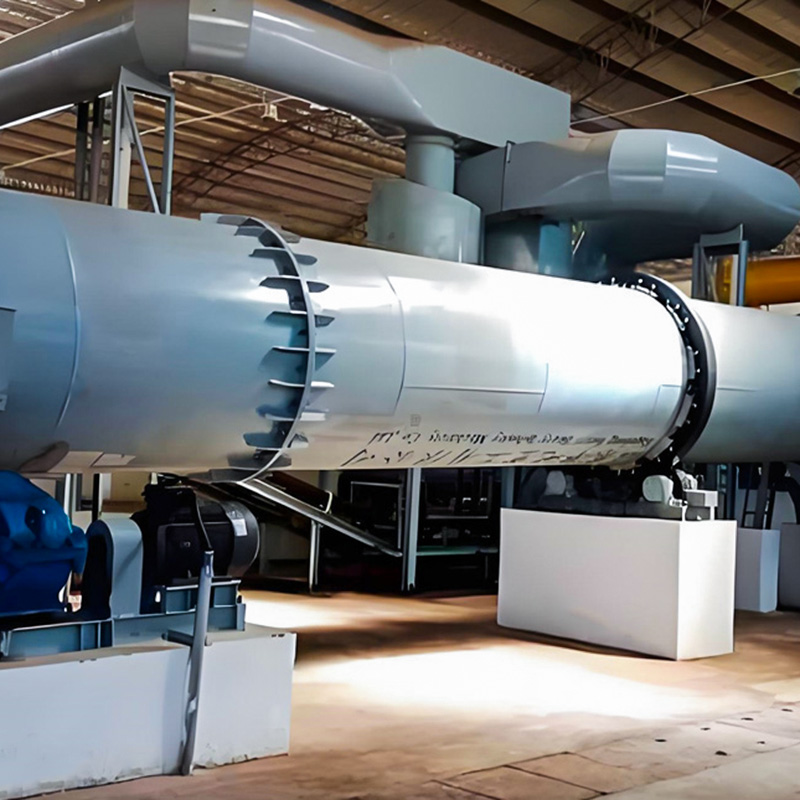
- وحدات التجفيف والتبريد: تقليل محتوى الرطوبة وتثبيت الحبيبات لمنع التشوه.
- آلات الغربلة: حبيبات منفصلة حسب الحجم، مما يضمن أن الجسيمات الموحدة فقط هي التي تنتقل إلى التعبئة والتغليف.
- معدات الطلاء: يعزز مظهر الحبيبات ويقلل الغبار ويمنع التكتل.
العوامل المؤثرة على تجانس حبيبات الأسمدة
هناك عدة عوامل تؤثر بشكل مباشر على توحيد حبيبات الأسمدة في أ خط إنتاج الأسمدة المركبة :
1. جودة المواد الخام
يمكن أن تؤدي الشوائب وأحجام الجسيمات غير المتناسقة في المواد الخام إلى حبيبات غير متساوية. تضمن المواد الخام عالية الجودة التي تم فحصها مسبقًا التحبيب السلس والتوزيع المتسق للمغذيات.
2. عملية التحبيب
ال type of granulator, its speed, and the moisture content of the mixture play a decisive role in granule uniformity. For example:
- محبب الأسطوانة الدوارة: تقدم إنتاجًا عاليًا ولكنها تتطلب تحكمًا دقيقًا في الرطوبة لتجنب الحبيبات كبيرة الحجم أو الهشة.
- حبيبات القرص: توفير تحكم أفضل في شكل الحبيبات ولكن قدرة إنتاجية أقل.
3. كفاءة التجفيف والتبريد
يمكن أن يؤدي التجفيف غير المتساوي إلى كسر الحبيبات أو تشوهها. يعد تدفق الهواء ودرجة الحرارة ووقت الاحتفاظ المناسب في المجففات والمبردات أمرًا ضروريًا للحفاظ على سلامة الحبيبات بشكل ثابت.
4. دقة الفحص
يضمن الغربلة الفعالة أن يتم جمع حبيبات موحدة فقط. يمكن سحق الجزيئات كبيرة الحجم وإعادة تدويرها، في حين يمكن إرجاع الجزيئات الصغيرة إلى المحبب لإعادة معالجتها.
مقارنة خطوط إنتاج الأسمدة المركبة
مختلفة خط إنتاج الأسمدة المركبةs تختلف في التصميم والكفاءة وجودة الإخراج. يمكن أن تسلط مقارنة هذه الأنظمة الضوء على مزايا توحيد الحبيبات:
| نوع خط الإنتاج | التوحيد الحبيبي | القدرة الإنتاجية | التكلفة التشغيلية |
|---|---|---|---|
| خط الطبل الدوار | عالية، وتتطلب مراقبة صارمة للرطوبة | عالية | معتدل |
| خط تحبيب القرص | عالية جدًا، وشكل حبيبات أفضل | متوسط | معتدل |
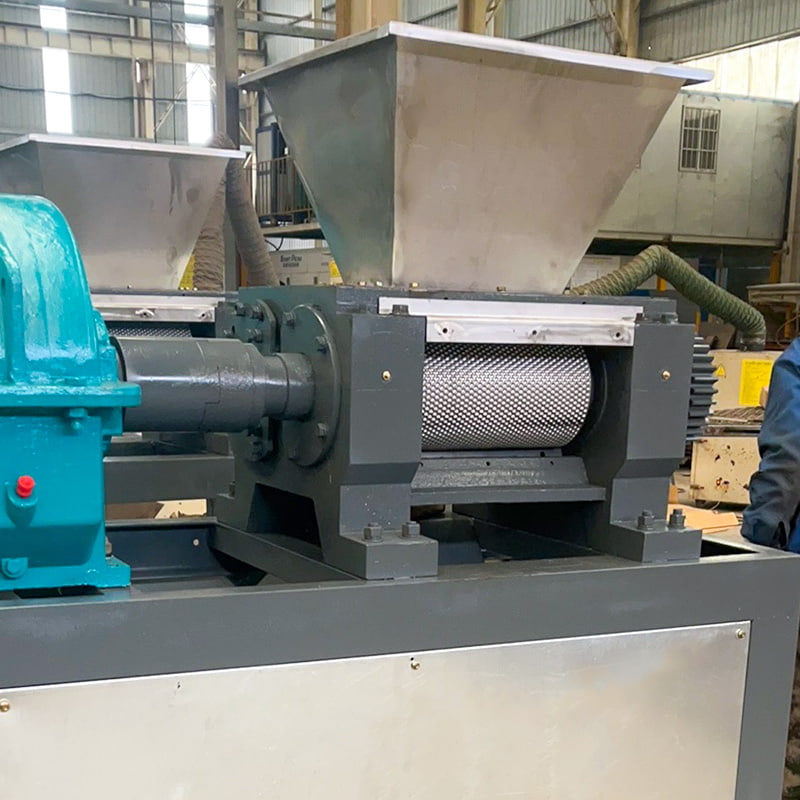
| خط بثق القالب المسطح | متوسط, suitable for specialized fertilizers | منخفضة إلى متوسطة | منخفض |
يعتمد اختيار خط الإنتاج المناسب على التوازن بين تجانس الحبيبات والطلب على الإنتاج والتكلفة التشغيلية. بالنسبة للأسمدة المركبة عالية الجودة ذات متطلبات التوحيد الصارمة، غالبًا ما يتم تفضيل خطوط التحبيب القرصي على الرغم من قدرتها المنخفضة.
أفضل الممارسات للحفاظ على توحيد الحبيبات
- الصيانة الدورية للمعدات: يمكن لآلات التحبيب أو آلات الغربلة البالية أن تقلل من التوحيد.
- التوريد المستمر للمواد الخام: تجنب خلط دفعات ذات أحجام جزيئات مختلفة.
- التحكم الدقيق في الرطوبة: مراقبة إضافة الماء أثناء التحبيب لضمان تكوين الحبيبات الأمثل.
- مراقبة العملية: استخدام أجهزة الاستشعار وأنظمة التحكم للكشف عن المخالفات في الوقت الحقيقي.
- إعادة تدوير الحبيبات كبيرة الحجم أو صغيرة الحجم: يضمن الحد الأدنى من النفايات والمنتج النهائي الموحد.
الأسئلة المتداولة (الأسئلة الشائعة)
س1: كيف يؤثر حجم الحبيبات على فعالية الأسمدة؟
يضمن حجم الحبيبات الموحد إطلاق العناصر الغذائية بشكل متساوٍ، وتغطية أفضل للتربة، وتقليل فقدان الأسمدة. وقد تذوب الحبيبات غير المنتظمة بسرعة كبيرة أو بشكل غير متساو، مما يؤثر على نمو المحاصيل.
س2: هل يمكن إنتاج جميع أنواع الأسمدة في خط إنتاج الأسمدة المركبة؟
يمكن إنتاج معظم أسمدة النيتروجين والفوسفور والبوتاسيوم (NPK)، بالإضافة إلى الخلطات المتخصصة. ومع ذلك، تؤثر خصائص المواد الخام ونوع المحبب على مدى ملاءمة الخط.
س3: كم مرة يجب فحص آلات الفحص؟
يجب فحص آلات الغربلة يوميًا بحثًا عن التآكل والانسداد. تضمن الصيانة المناسبة فصلًا ثابتًا للحبيبات وتمنع تلوث الجزيئات كبيرة الحجم أو الأصغر حجمًا.
س4: ما هو تأثير الرطوبة على تكوين الحبيبات؟
تؤدي الرطوبة الزائدة إلى التكتل والأشكال غير المنتظمة، في حين أن قلة الرطوبة تمنع تكوين الحبيبات بشكل سليم. يعد الحفاظ على الرطوبة المثالية أثناء التحبيب أمرًا بالغ الأهمية بالنسبة للحبيبات الموحدة.
الاستنتاج
أ خط إنتاج الأسمدة المركبة تضمن أن الأسمدة تلبي المعايير الزراعية الحديثة من خلال إنتاج حبيبات ذات حجم وجودة متسقة. من خلال الاختيار الدقيق للمعدات، والتحكم الصارم في العمليات، والصيانة المنتظمة، يمكن للمصنعين تحقيق تجانس عالي للحبيبات. إن الاستثمار في خط إنتاج محسّن لا يؤدي إلى تحسين أداء الأسمدة فحسب، بل يقلل أيضًا من النفايات والتكاليف التشغيلية، مما يدعم في نهاية المطاف النمو الزراعي المستدام.
منتجاتنا الرئيسية

اتصل بنا
-
 رقم 68، طريق شوانغلو، مدينة تشوتانغ، مدينة هايمن، نانتونغ، جيانغسو
 -
الهاتف:
 +86-13914355558/18994158908
 -
البريد الإلكتروني:
 sales@tp-machinery.com
حقوق الطبع والنشر © 2025 Nantong Alisen Environmental Protection Technology Co., Ltd.
جميع الحقوق محفوظة.
